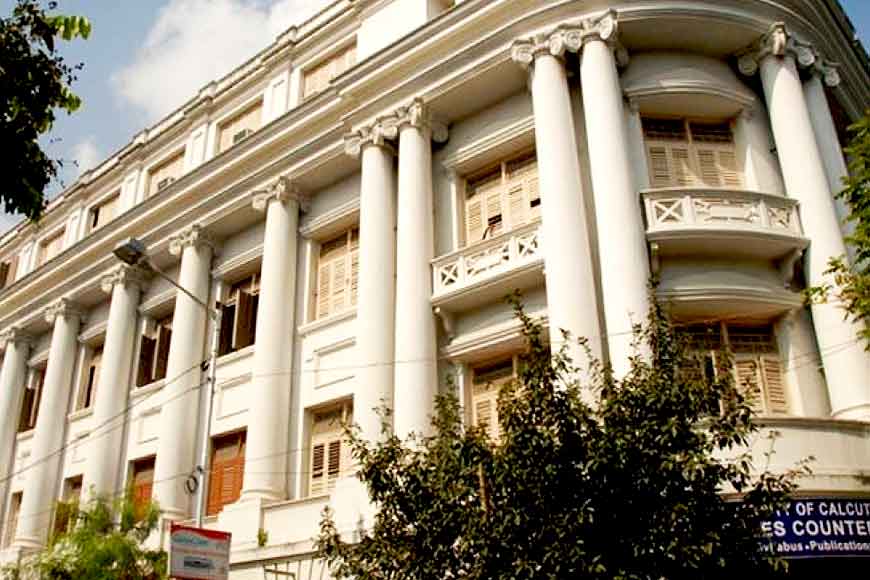
The University of Calcutta, established on January 24, 1857, stands as the first full-fledged modern university in South Asia and a cornerstone of Indian higher education. Founded by the British East India Company following the Wood's Despatch of 1854, it was modeled after the University of London as an affiliating and examining body.
Establishment of the Institution's Innovation Council (IIC) to foster innovation and entrepreneurship. The university actively promotes startup culture, organizes hackathons, and provides incubation support to budding entrepreneurs across various disciplines.
Modernization era with focus on research excellence, infrastructure development, and introduction of interdisciplinary programs. The university strengthened its position as a leading research institution with numerous national and international collaborations.
Post-independence period marked by expansion and democratization of education. The university played a crucial role in nation-building by producing leaders, scientists, and intellectuals who shaped modern India's trajectory in various fields.
During the Indian independence movement, the university became a center for nationalist activities. Many prominent freedom fighters and intellectuals were associated with the institution, contributing to India's struggle for independence.
Foundation years of the University of Calcutta. Initially serving as an affiliating body for colleges across a vast region spanning from Lahore to Rangoon (now Yangon), it established the framework for modern higher education in India and laid the groundwork for academic excellence.